

What Are Bone Conduction Hearing Solutions?
An innovative alternative when traditional hearing aids aren’t suitable
Bone conduction hearing aids and implants work differently from traditional devices. Instead of sending sound through the outer and middle ear, these solutions transmit vibrations through the bones of the skull directly to the inner ear (cochlea).
This unique approach is especially beneficial for people with ear canal or middle ear conditions, chronic ear infections, or certain forms of hearing loss where standard hearing aids may not be effective.
Understanding the key differences.
Bone Conduction vs. Traditional Hearing Aids
Traditional hearing aids amplify sound and send it through the ear canal, while bone conduction implants bypass the outer and middle ear, directly stimulating the cochlea through bone vibrations.
This makes bone conduction an excellent solution for individuals with blocked, malformed, or damaged ear canals, or for those with conditions like single-sided deafness.
Book your hearing assessment or contact our team today to discuss further how we can help.
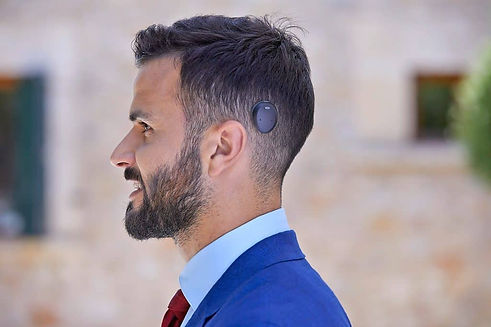
Your Bone Conduction Implant Journey.
Innovative Hearing for Unique Needs
Depending on your needs, both non-surgical and surgical options are available. Non-surgical devices are usually worn with a headband or adhesive, while surgical implants involve a small implanted component for direct bone conduction.
Who Can Benefit
Ideal candidates for bone conduction systems might suffer from malformations of the ear canal, chronic ear infections.
Your audiologist will complete a full evaluation to determine if bone conduction is the right solution for you.
Trialling Bone Conduction
During your assessment, you’ll be able to trial a bone conduction processor connected to a headband. This first-hand experience helps you understand how the technology sounds and feels.
Compared To Other Hearing Solutions
Unlike traditional hearing aids, which amplify air-conducted sound, bone conduction devices directly stimulate the cochlea. This makes them particularly effective if you have an obstruction or medical condition in the outer or middle ear.
Follow Up & Maintenance
Non-surgical devices may need occasional cleaning and adjustments to the headband or adhesive. For surgical solutions, your audiologist and surgeon will guide you through recovery and ensure the device is working effectively.
At Audiwell, we provide ongoing support and care so your hearing solution continues to meet your needs.